Business & Finance
Employee screening guide – Top tools and mistakes to avoid
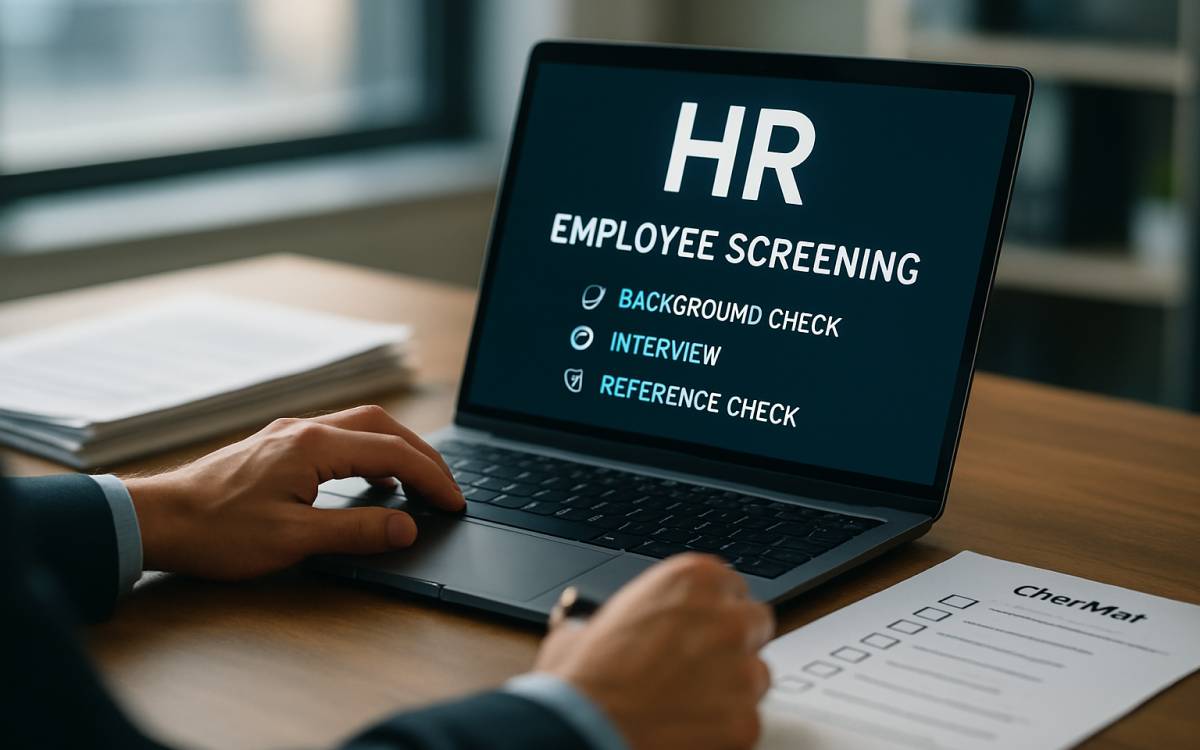
An employee background check is the process of using third parties to vet candidates for career opportunities. These checks involve inspecting public records, law enforcement records, credit bureau reports, and previous employers to obtain information about a candidate beyond what they provide in interviews. This screening process helps uncover past issues that may indicate a candidate is not the best fit for the role, thereby minimizing the risk of poor hiring decisions. Things to know before conducting employee background checks The Fair Credit Reporting Act (FCRA) is a federal law governing employee background checks in the country. According to this law, employers are required to obtain explicit consent from candidates before conducting a background check. Employers need to provide them with specific disclosures and notices, emphasizing the need for accuracy, relevance, and transparency in data processing. The Federal Trade Commission (FTC) and the Consumer Financial Protection Bureau (CFPB) enforce the FCRA’s screening regulations. Both agencies have the authority to take action (including fines and other penalties) against companies that violate FCRA regulations. Popular background check tools Checkr This tool uses machine learning to automate employee screening. A key feature is its seamless integration with over 100 HR and Applicant Tracking System (ATS) tools, including Greenhouse, Workday, Lever, Jobvite, IBM Kenexa, and SmartRecruiters.